Afghanistan
- Established 2003
- People Reached 3.7 million (2024)
- Focus Areas
Overview
The Aga Khan Foundation has operated in Afghanistan since 2003. Initial programmes were built upon the Aga Khan Development Network’s activity which started in 1996 to support food aid distribution during the country’s civil war.
In Afghanistan, the Aga Khan Foundation leads a range of integrated, innovative and gender responsive programmes. This work is implemented across 11 provinces, including Badakhshan, Takhar, Kunduz, Baghlan, Samangan, Balkh, Bamyan, Daikundi, Parwan, Panjshir and Kabul. The Aga Khan Foundation works through consortia to extend its reach to a total of 23 provinces in Afghanistan.
In addition, the Aga Khan Foundation often plays a convening, partnership development, policy dialogue and resource mobilisation role for the Aga Khan Development Network and its agencies in Afghanistan.
Featured News: Afghanistan
Related News & Stories
In Afghanistan’s mountains, aid reaches families and farmers long out of sight
Afghanistan’s water crisis is hitting the highlands hardest – but community-run schemes reaching 75,000 people offer hope
AKF and EU announce €22m partnership to promote economic resilience in Afghanistan
“I have finally found a way to financially support my family”: Breaking the cycle of poverty in rural Afghanistan
Impact Odyssey 2.0: The Businesses of Tomorrow
This forestry project in Afghanistan is pushing women to the forefront of climate action
Shafiqa’s story: From loss to livelihood in rural Afghanistan
“Our village is going to be as beautiful as it used to be”: Restoring climate affected land – and pride – in northern Afghanistan
Afghanistan: Building hope amidst the crisis
“Now we have water near us, we have started a new life”: Building and restoring water wells in the highlands of Afghanistan
Related Videos
Community voices: Climate change in Afghanistan
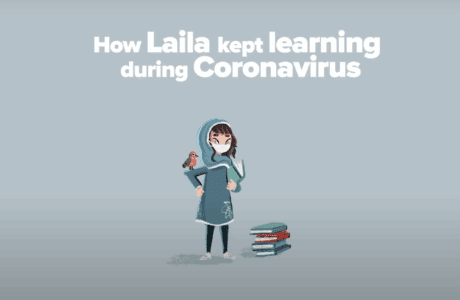
How Laila kept learning during COVID-19
Our impact in Afghanistan in 2024
4.2 million
Trees planted, including across 3,058 new planting sites and micro-forests
530,000
People reached directly or indirectly through community development, 40% of whom were women
359,458
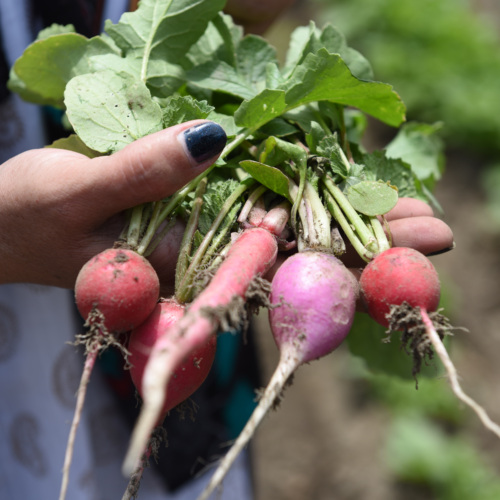
People accessed agricultural support, 48% of whom were women